
Our Projects
Explore some of the major projects successfully tested and inspected by Falcon Industrial Testing Laboratory.
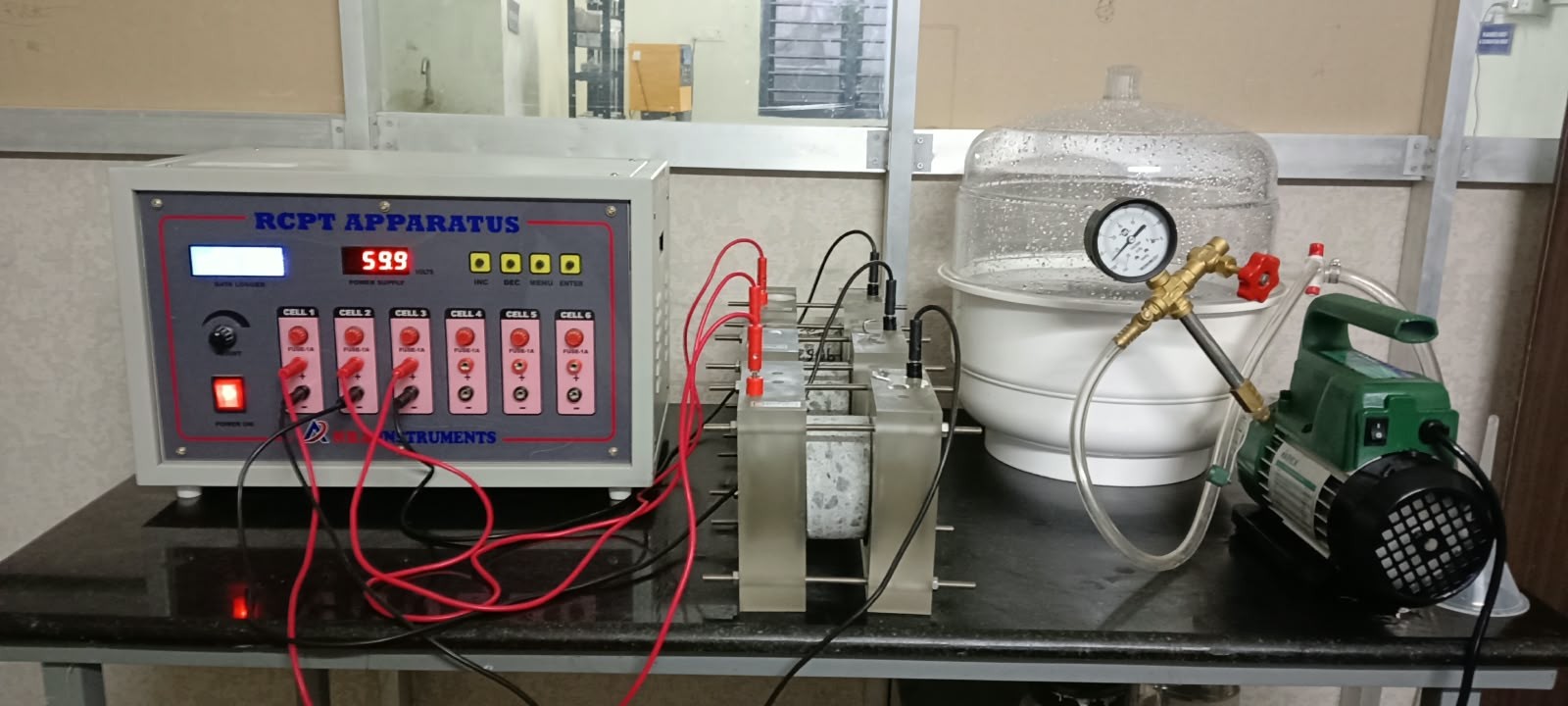
Rapid Chloride Penetration Test (RCPT) – Confidential RMC
Concrete durability assessment and chloride ion penetration resistance evaluation for a confidential Ready-Mix Concrete client as per ASTM C1202 & IS 516 (Part 5/Sec 1):2018.
Client: Confidential RMC
Service Provider: Falcon Industrial Testing Laboratory Pvt. Ltd., Chennai
Category: Building Materials Testing | Concrete Durability Assessment
Project Duration: Oct 2026
Test: Rapid Chloride Penetration Test (RCPT)
Figure 1: RCPT apparatus and specimen cell arrangement at Falcon Industrial Testing Laboratory Pvt. Ltd.
1. Introduction
The durability of concrete is a critical factor in ensuring the long-term performance, structural integrity and service life of buildings and infrastructure. In reinforced concrete structures, the ingress of chloride ions can contribute to corrosion of embedded steel reinforcement, potentially resulting in cracking, spalling and premature deterioration.
Falcon Industrial Testing Laboratory Pvt. Ltd. carried out Rapid Chloride Penetration Test (RCPT) testing for a Ready-Mix Concrete (RMC) client whose identity is kept confidential. The testing was undertaken to evaluate the electrical indication of the concrete's resistance to chloride ion penetration and support concrete durability assessment.
2. Objective of RCPT Testing
The primary objective of the Rapid Chloride Penetration Test is to obtain an indication of the concrete's resistance to chloride ion penetration through measurement of the electrical charge passing through a prepared concrete specimen under controlled test conditions.
- Evaluation of concrete durability characteristics.
- Assessment of resistance to chloride ingress.
- Quality control and comparison of concrete mix designs.
- Evaluation of concrete incorporating supplementary cementitious materials.
- Technical assessment for structures exposed to potentially aggressive environments.
3. Testing Standard
The test is performed with reference to the applicable requirements of:
- ASTM C1202 – Standard Test Method for Electrical Indication of Concrete's Ability to Resist Chloride Ion Penetration.
- IS 516 (Part 5/Sec 1):2018 – Applicable Indian Standard method for determination of chloride ion penetration resistance, where specified by the project.
The applicable standard and its edition are confirmed according to the project specification and agreed testing requirements.
4. RCPT Testing Methodology
Stage 1 – Specimen Preparation
Concrete specimens are prepared to the dimensions and condition required by the applicable test method. Specimen identification, age and relevant curing details are documented.
Stage 2 – Conditioning & Cell Preparation
The specimen is conditioned as prescribed by the selected standard and mounted securely in the RCPT test cell. The two faces are exposed to the respective test solutions in accordance with the procedure.
Stage 3 – Electrical Connection
Electrical connections are established across the test cell using the RCPT apparatus. The arrangement is checked to ensure suitable contact, sealing and stable operation.
Stage 4 – Application of Electrical Potential
A controlled electrical potential is applied across the concrete specimen. For ASTM C1202, the test is normally conducted at 60 V for six hours, with current readings recorded at the specified intervals.
Stage 5 – Data Recording & Calculation
The current passing through the specimen is monitored throughout the test. The total electrical charge passed is calculated and expressed in coulombs in accordance with the applicable standard.
Stage 6 – Reporting
The observations and calculated results are reviewed and documented. The report identifies the specimen and test method and presents the results for interpretation against the applicable acceptance criteria, where specified.
5. RCPT Test Apparatus at Falcon Lab
Falcon Lab's RCPT testing facility is equipped with a multi-cell test arrangement, electrical control unit, specimen holders, connecting leads and a vacuum-assisted conditioning arrangement.
The setup supports controlled testing of prepared concrete specimens under the prescribed electrical conditions.
6. Understanding RCPT Results
The total electrical charge passed provides an electrical indication of the concrete's resistance to chloride ion penetration. Under ASTM C1202, the conventional qualitative interpretation is:
| Charge passed (coulombs) | Chloride ion penetrability indication |
|---|---|
| Greater than 4,000 | High |
| 2,000–4,000 | Moderate |
| 1,000–2,000 | Low |
| 100–1,000 | Very low |
| Less than 100 | Negligible |
These categories are indicative classifications under the ASTM method and should not automatically be treated as project acceptance limits.
RCPT results can be influenced by concrete composition, pore-solution chemistry, specimen age and curing conditions. Consequently, the results should be interpreted alongside the mix design, exposure conditions, project requirements and other relevant durability assessments.
7. Importance of RCPT Testing for RMC Producers
For Ready-Mix Concrete producers, durability testing provides useful technical information for evaluating concrete performance beyond compressive strength alone.
- Compare the durability characteristics of different concrete mixes.
- Support mix-design development and performance evaluation.
- Assess the effects of supplementary cementitious materials.
- Maintain documented quality-control records.
- Provide technical information for projects requiring enhanced durability.
The test is particularly relevant when evaluating concrete intended for reinforced concrete structures exposed to chloride-bearing environments, subject to the limitations of the test method.
8. Falcon Lab's Commitment to Quality Testing
Falcon Industrial Testing Laboratory Pvt. Ltd., Chennai, provides testing services for building materials, concrete, soil, water, wastewater, environmental samples and other construction-related materials within its applicable testing scope.
The laboratory's approach focuses on appropriate test methods, controlled testing conditions, traceable observations and clear technical reporting to support clients in construction quality assurance and material performance assessment.
The RCPT testing undertaken for Confidential RMC reflects Falcon Lab's support for concrete durability evaluation and the quality requirements of the ready-mix concrete industry.
9. Conclusion
Rapid Chloride Penetration Testing is a useful tool for evaluating the electrical indication of concrete's resistance to chloride ion penetration. When conducted and interpreted appropriately, it provides valuable information for concrete durability assessment, quality control and mix-design evaluation.
Falcon Industrial Testing Laboratory Pvt. Ltd. remains committed to supporting RMC producers, construction companies, infrastructure developers and consultants with reliable building-material testing services.
Need RCPT testing for your concrete mix?
Contact Falcon Industrial Testing Laboratory Pvt. Ltd., Chennai, to discuss specimen requirements, applicable test standards, sample submission and reporting.
Initial Vertical Pile Load Test – Perur 400 MLD Pumping Station
Initial vertical compression load test up to 484.5 MT for a 600 mm diameter cast-in-situ pile (TP1-B) at the Perur 400 MLD Pumping Station – CP2 project as per IS 2911 (Part 4): 2013.
Date: 10-09-2026
Testing Laboratory: Falcon Industrial Testing Laboratory Private Ltd. ISO/IEC 17025:2017 NABL Accredited Laboratory
Team Members: Sharvesh R (Technical Manager, Deputy Quality Manager), V. Aravindhan (Geotechnical Engineer), S Hariharan (Geotechnical Engineer), Anima SR (Geologist), Jomey M. Susan Abraham (Geologist), Vishanth Kumar (Lab Technician)
Blog Writer: Jomey M. Susan Abraham, Geologist
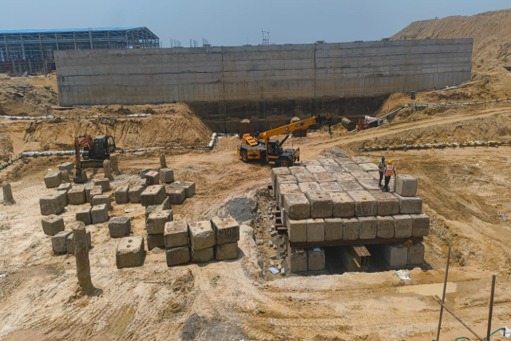
Figure 1: Overview of the 10.00 m × 10.00 m kentledge loading platform constructed at the Perur 400 MLD Pumping Station – CP2 site.
1. Introduction
Pile foundations are widely used to transfer structural loads to deeper and more competent soil strata where shallow foundations are not adequate or economical. The load-carrying capacity and settlement behaviour of piles are important considerations in foundation performance.
A Vertical Compression Load Test is carried out to evaluate the behaviour of a pile when subjected to axial compressive loading. The test provides field information on pile-soil interaction, pile displacement and the response of the pile under progressively increased loads.
This website blog presents the Initial Vertical Load Test carried out at site for the Perur 400 MLD Pumping Station – CP2 project. The test pile was identified as TP1-B and the test was conducted with reference to IS 2911 (Part 4): 2013.
2. Objective of the Test
- To determine the safe vertical load capacity of the pile.
- To measure pile displacement under compressive loading.
- To verify the design assumptions regarding vertical pile capacity.
- To study the load versus displacement behaviour of the pile.
3. Scope of the Work
- Inspection of the test pile location and preparation of the pile head.
- Preparation and installation of the reaction/loading system.
- Installation of the hydraulic jack and pressure measurement system.
- Installation of settlement measuring devices and reference arrangements.
- Application of compressive load in incremental stages.
- Recording settlement observations at specified time intervals.
- Monitoring the pile during loading and unloading stages.
- Compilation and technical documentation of field observations.
4. Test Arrangement
The pile head was chipped to remove overflowed concrete and dried bentonite slurry. The pile head was trimmed and finished to provide a smooth and level surface for uniform load transfer.
A 10.00 m × 10.00 m loading platform was constructed using structural steel sections. Three ISMB 600 sections were used as main longitudinal beams and ISMB 400 sections as cross/distribution girders. Concrete blocks were systematically stacked over the platform to provide the required kentledge.
A 40 mm thick steel plate was placed over the pile head. A 1000 MT capacity hydraulic jack was positioned centrally over the pile so that the pile, loading system and kentledge remained aligned to minimise eccentric loading.
Two datum bars were installed on either side of the pile at 2.0 m from the pile centre. Four dial gauges were mounted using magnetic bases to measure vertical displacement.
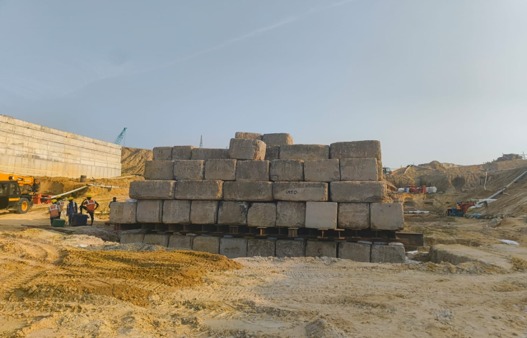
Figure 2: Systematic kentledge stacking over ISMB 600 & ISMB 400 steel girders.
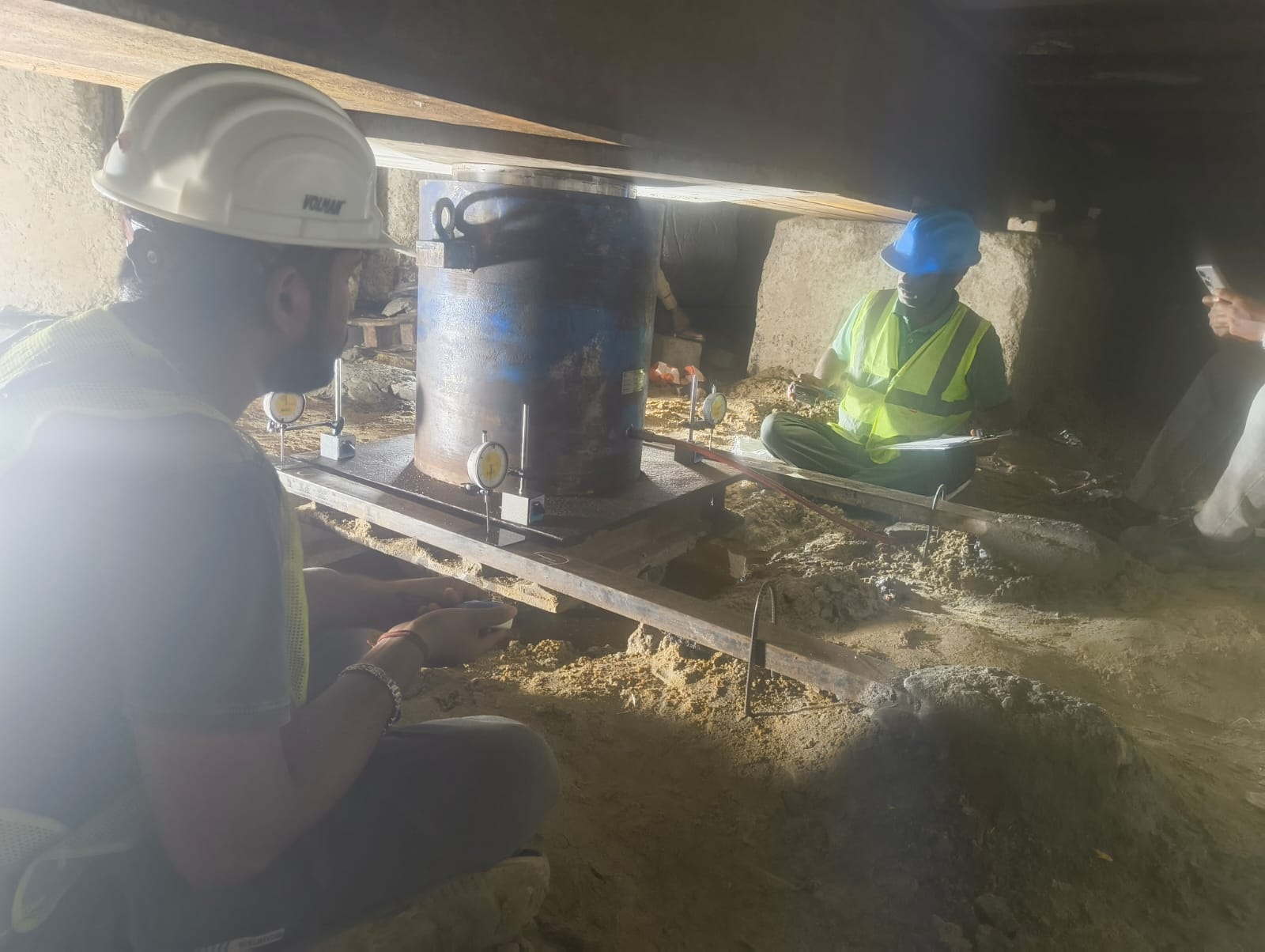
Figure 3: Technical team actively logging readings and monitoring setup under platform.
5. Test Procedure
5.1 Initial Preparation
Before loading, the hydraulic jack, reaction system, pressure gauge/load cell, dial gauges and reference beams were checked for alignment, stability and rigidity. The dial gauges were set to zero and measuring instruments were checked for calibration.
5.2 Loading Procedure
The compressive load was applied to the test pile in equal incremental stages. For the initial vertical load test described in the report, the load increment was generally not more than 20% of the safe load. Settlement observations were recorded at specified time intervals after each load increment. Further loading was applied only after completion of the required observations for the preceding stage.
5.3 Unloading / Rebound
After completion of the loading stage and required observations, the pile was unloaded in suitable decrements. Settlement recovery observations were taken during unloading, followed by final observations after complete unloading.
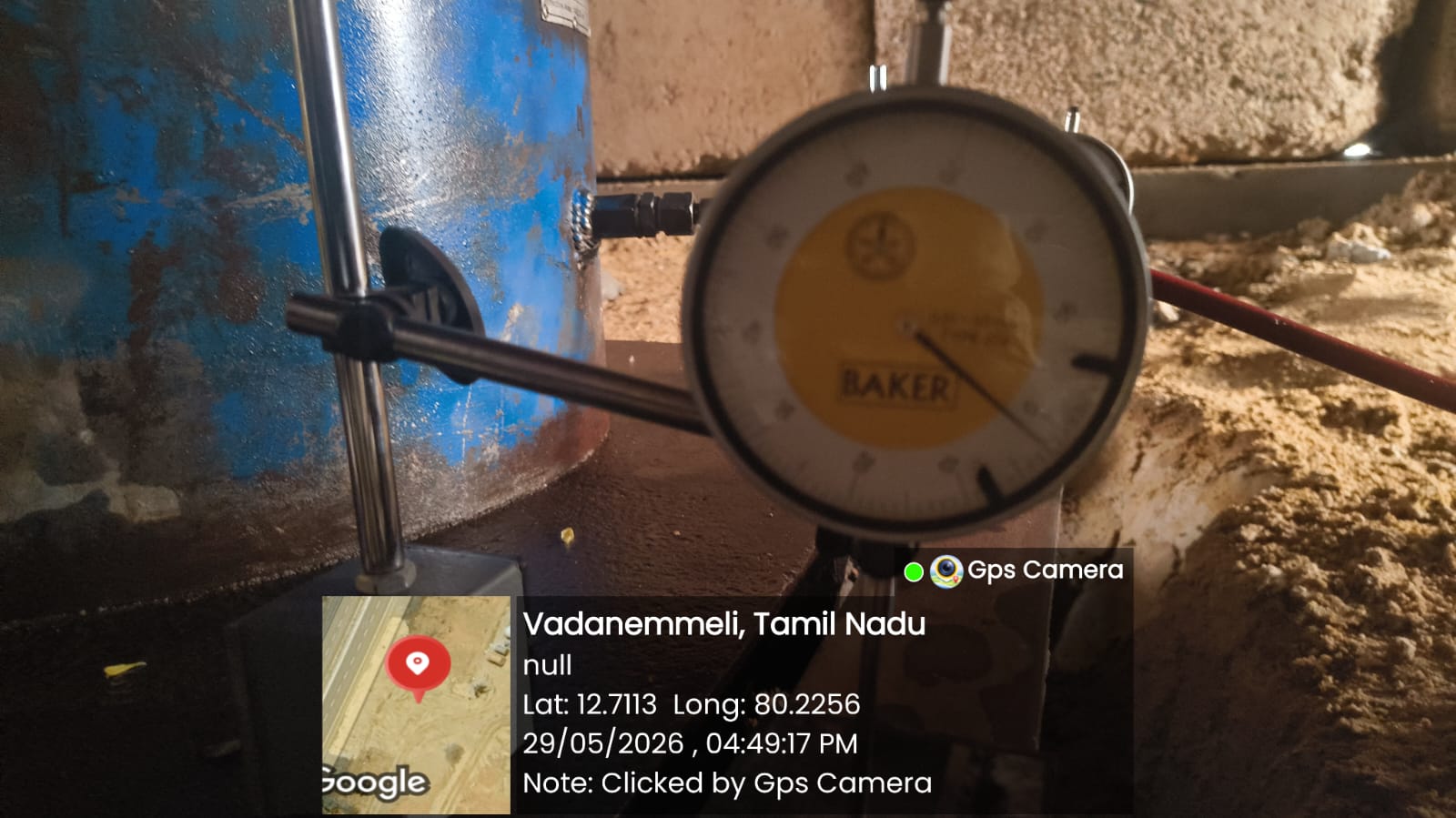
Figure 4: 1000 MT hydraulic jack aligned on pile head.
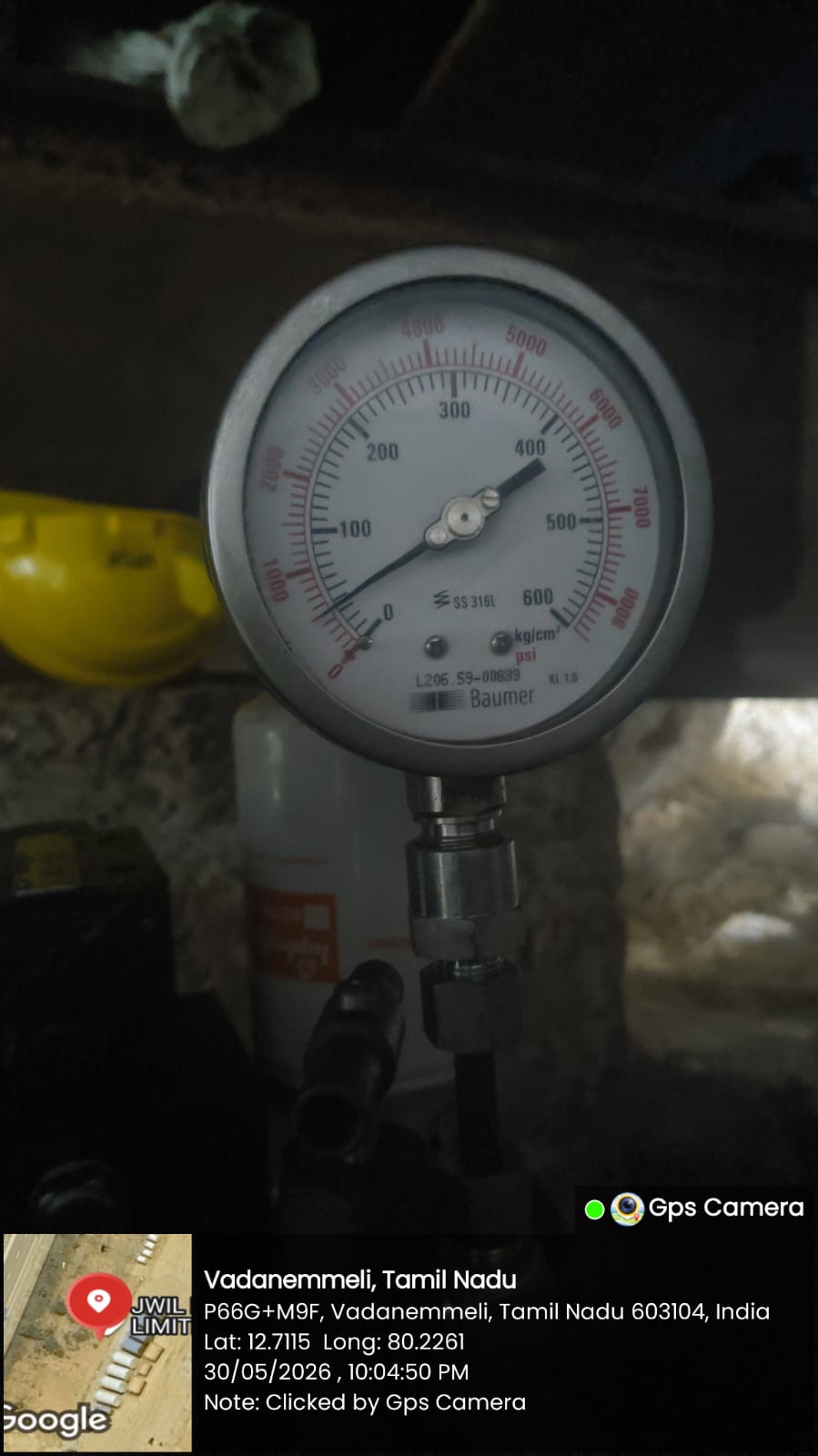
Figure 5: Baumer pressure gauge (0–600 kg/cm²).
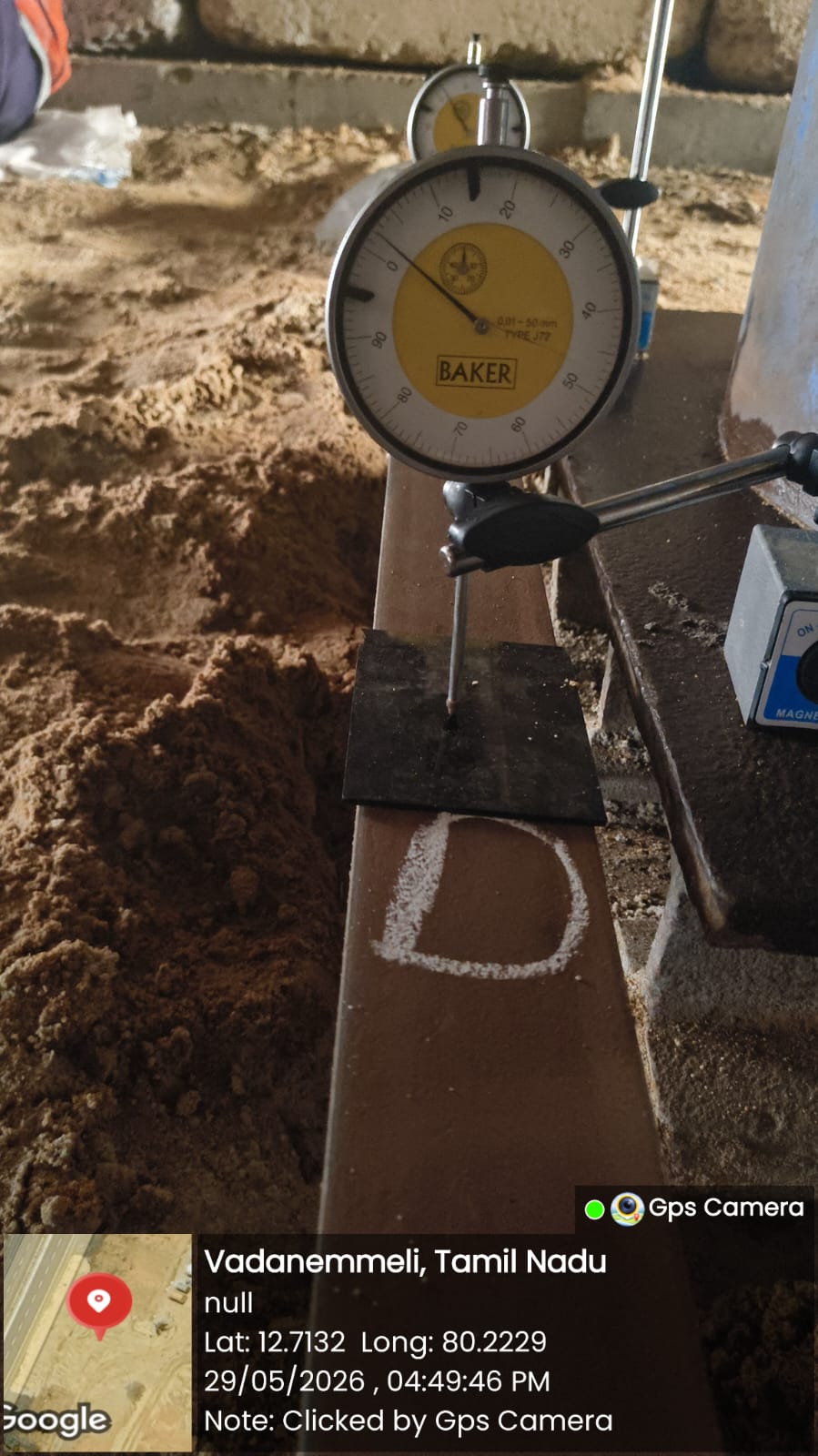
Figure 6: Dial gauge 'D' mounted on magnetic base.
6. Test Details – JWIL Site
| Parameter | Details |
|---|---|
| Project | Perur 400 MLD Pumping Station – CP2 |
| Client | Chennai Metropolitan Supply and Sewerage Board |
| Location | Perur |
| Type of Test | Initial Vertical Load Test |
| Pile ID | TP1-B |
| Pile Installation | Cast-in-Situ |
| Pile Diameter | 600 mm |
| Pile Length | 13.0 m |
| Design Load | 193.8 MT |
| Maximum Test Load | 484.5 MT |
| Reference Standard | IS 2911 (Part 4): 2013 |
7. Equipment Used
| Equipment | Specification / Identification | Purpose |
|---|---|---|
| Hydraulic Jack | 1000 MT capacity; effective area 1452.20 cm² | Application of compressive load |
| Pressure Gauge | Baumer; 0–600 kg/cm² range | Monitoring hydraulic pressure |
| Dial Gauges | 4 Nos.; 0–50 mm; least count 0.01 mm | Measurement of pile displacement |
| Datum Bars | 2 Nos.; 2.0 m from pile centre | Reference for displacement measurement |
| Magnetic Bases | For dial gauge mounting | Secure positioning of gauges |
| Steel Plate | 40 mm thick | Uniform load transfer at pile head |
| Loading Platform / Kentledge | Structural steel beams (ISMB 600 & ISMB 400) and concrete blocks | Reaction/loading arrangement |
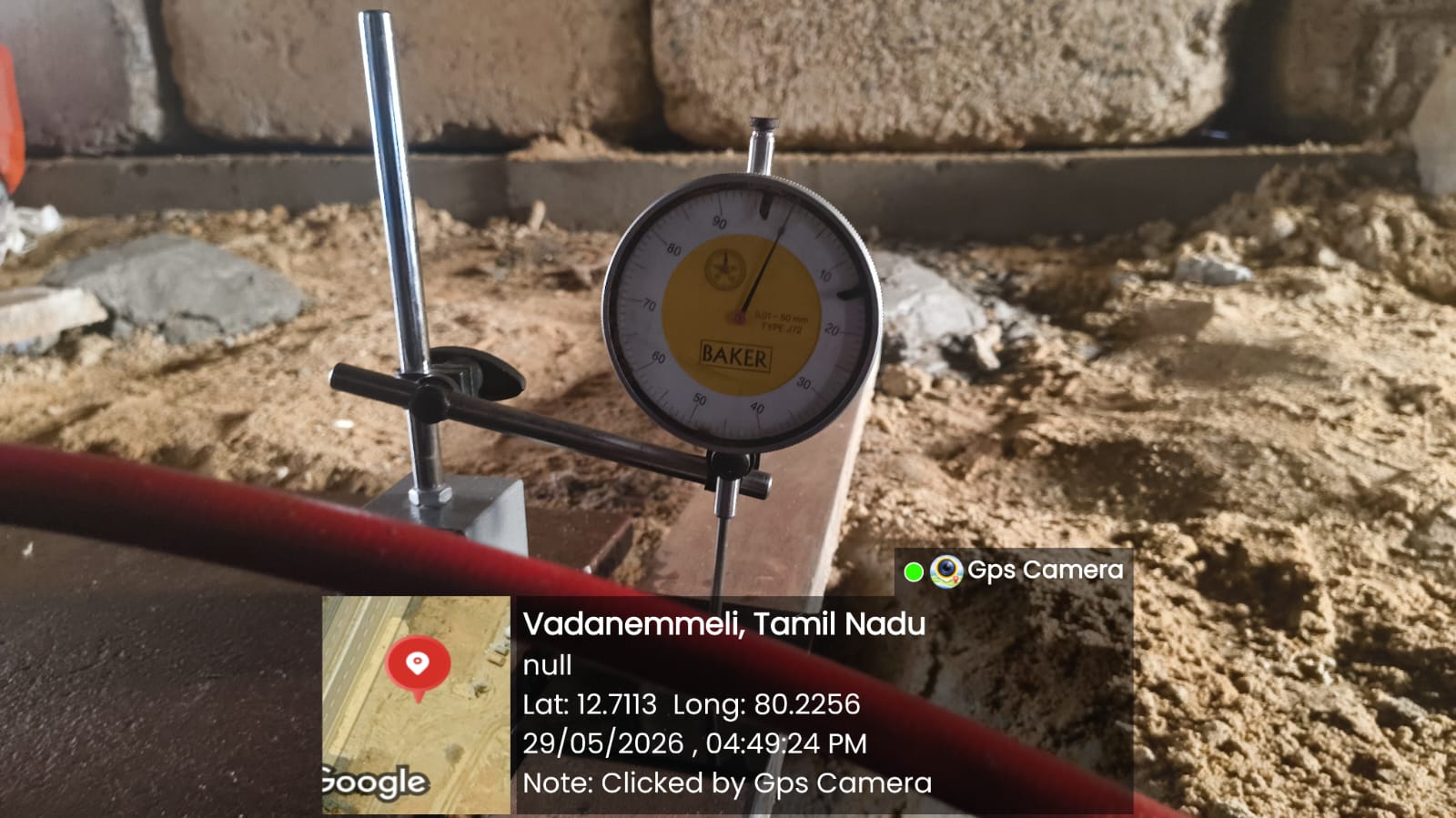
Figure 7: Dial gauge setup along reference datum bar.
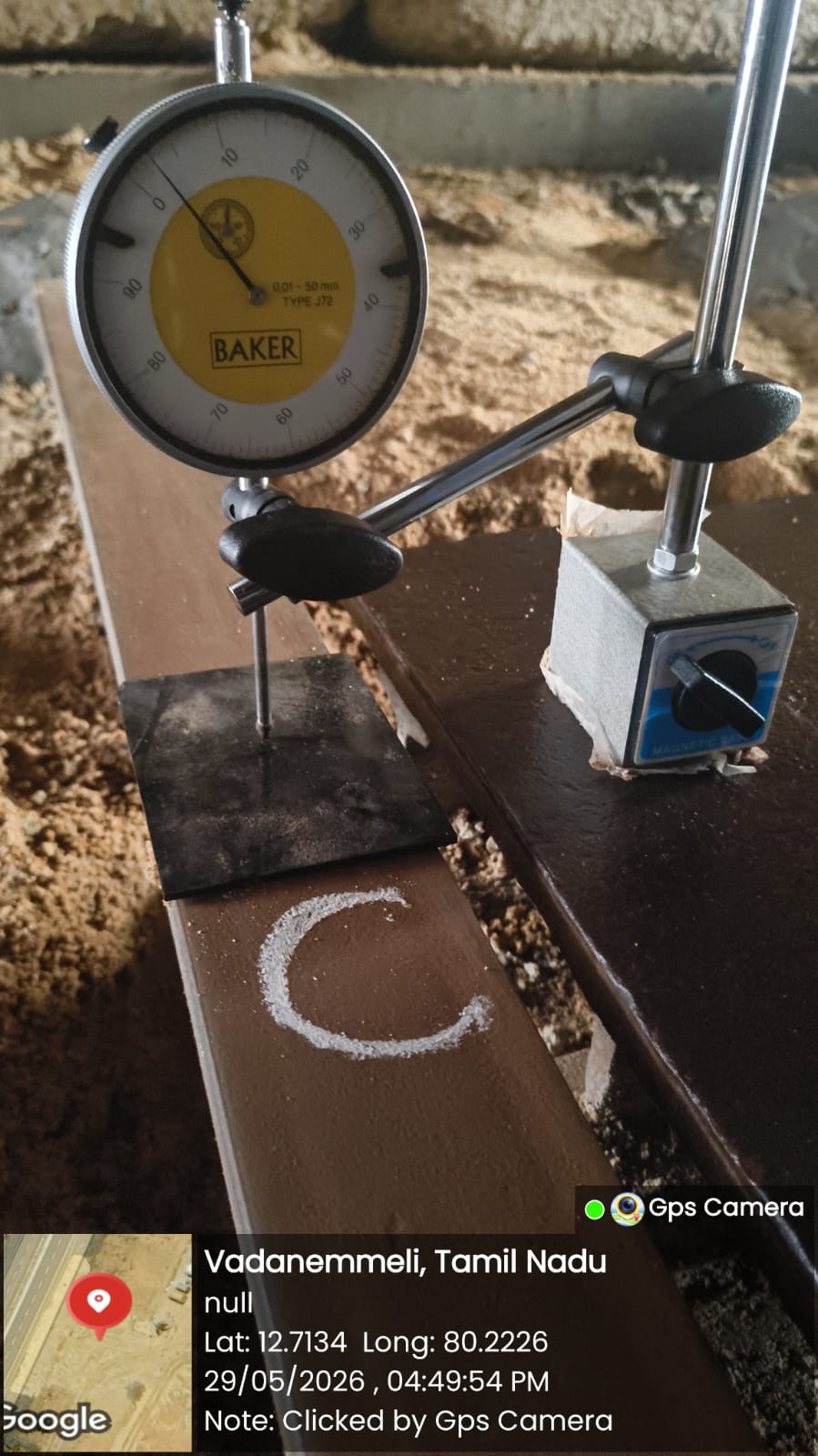
Figure 8: Dial gauge 'C' calibrated and mounted on datum bar.
8. Safety and Quality Considerations
- Ensure the loading platform and kentledge arrangement are stable before testing.
- Maintain proper alignment of the hydraulic jack and loading system.
- Keep personnel clear of the reaction/loading arrangement during loading.
- Verify the condition and calibration status of measuring instruments before testing.
- Protect dial gauges and datum/reference arrangements from disturbance.
- Record observations systematically at each specified load stage.
9. Summary
The Initial Vertical Load Test provides a controlled field method for studying the response of a pile under axial compressive loading. At the site, the test arrangement included a centrally aligned hydraulic jack, reaction/loading platform, kentledge and four dial gauges for displacement monitoring. Loading and unloading observations were recorded systematically as part of the field-testing process.
10. Conclusion
Vertical pile load testing is an important field investigation for assessing pile behavior under compressive loading. The Initial Vertical Load Test at the JWIL site was arranged to assess pile response, settlement behaviour and the relationship between applied load and displacement in accordance with the applicable testing requirements.
This website blog format intentionally excludes the project test results, load–displacement results and capacity assessment.
12. Reference
IS 2911 (Part 4): 2013 – Code of Practice for Design and Construction of Pile Foundations – Load Test on Piles.
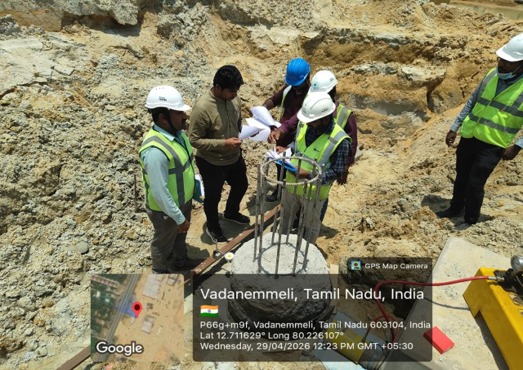
Initial Lateral Load Test – Perur 400 MLD Pumping Station
Initial lateral load test carried out to study the response of a pile under controlled horizontal loading at the Perur 400 MLD Pumping Station – CP2 project.
Date: 26-09-2026
Testing Laboratory: Falcon Industrial Testing Laboratory Private Ltd. ISO/IEC 17025:2017 NABL Accredited Laboratory
Team Members: Sharvesh R (Technical Manager, Deputy Quality Manager), V. Aravindhan (Geotechnical Engineer), S Hariharan (Geotechnical Engineer), Anima SR (Geologist), Jomey M. Susan Abraham (Geologist), Vishanth Kumar (Lab Technician)
Blog Writer: Jomey M. Susan Abraham, Geologist
1. Introduction
Pile foundations are designed to transfer structural loads safely to the supporting ground. In addition to vertical loads, piles may be subjected to horizontal or lateral forces due to wind, earth pressure, water forces and other operational effects. An Initial Lateral Load Test is carried out to study the response of a pile under controlled horizontal loading.
The Initial Lateral Load Test provides field information regarding lateral resistance, horizontal pile-head displacement and the response of the pile-soil system under progressively applied lateral loads. The test is carried out with reference to IS 2911 (Part 4): 2013.
2. Objective of the Test
- To determine the lateral load-carrying capacity of the test pile.
- To measure the horizontal displacement of the pile under lateral loading.
- To verify the design assumptions related to lateral pile resistance.
- To study the relationship between applied lateral load and lateral displacement.
- To observe pile behaviour during loading, unloading and rebound stages.
3. Scope of the Work
- Inspection and preparation of the test pile.
- Preparation and installation of the lateral reaction system.
- Installation and alignment of the hydraulic jack.
- Installation of the pressure gauge and displacement measuring instruments.
- Application of lateral load in controlled increments.
- Recording horizontal displacement at specified time intervals.
- Unloading the pile in suitable increments and recording rebound.
- Documentation of the field-testing arrangement and observations.
4. Test Arrangement
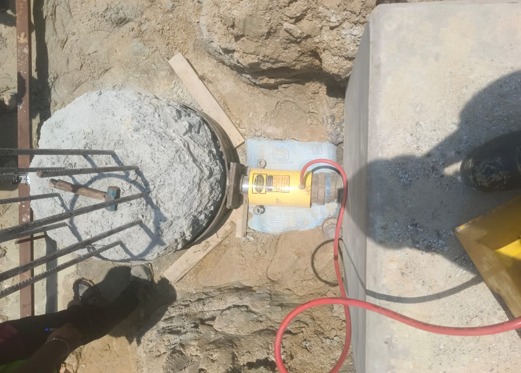
The lateral load test arrangement consists of the test pile, a suitable reaction system, a horizontally positioned hydraulic jack and a displacement measuring system. The reaction system is arranged to provide adequate resistance against the horizontal load applied to the test pile.
The hydraulic jack shall be positioned horizontally at the specified pile-head/cut-off level and aligned in the direction of loading. Suitable steel bearing plates and packing arrangements shall be provided to ensure proper contact, alignment, and uniform transfer of the applied lateral load to the test pile and reaction system.
An independent datum/reference system is provided for displacement measurement. The reference bars or beams are positioned at a sufficient distance from the test pile so that movement of the test pile does not affect the reference system.
5. Displacement Measurement
The displacement measurement system is one of the most important parts of the lateral load test. It is used to measure the horizontal movement of the test pile as the hydraulic jack applies load.
WHY? To determine how much the pile moves sideways under each applied lateral load and to understand the pile–soil response during the test.
| Step | Field Action |
|---|---|
| 01 | Independent reference frame: A stable reference frame was provided separately from the test pile and reaction arrangement so that the reference point remained unaffected by pile movement. |
| 02 | Dial gauge installation: Dial gauges were securely mounted with their measuring direction aligned with the horizontal direction of pile loading. |
| 03 | Initial zero setting: Before applying the lateral load, the gauges were checked for alignment and the initial/zero readings were recorded. |
| 04 | Load-stage readings: At every load increment, the horizontal displacement of the test pile was recorded at the specified observation intervals. |
| 05 | Displacement monitoring: The readings were monitored throughout loading and unloading to observe pile movement and rebound behaviour. |
6. Test Procedure
6.1 Initial Preparation
After completion of the test arrangement, the hydraulic jack, reaction system, pressure gauge, dial gauge and reference frame are checked for proper alignment, rigidity and stability. All displacement gauges are set to zero before the start of loading, and the load measuring system is verified for calibration.
6.2 Loading Procedure
The lateral load is applied to the pile through the hydraulic jack in equal increments. Each increment is generally taken as about 20% of the estimated safe lateral load. After applying each increment, the load is maintained until the rate of lateral displacement reduces to a negligible value or for the specified observation period.
6.3 Displacement Observations
During each loading stage, lateral displacement readings are recorded at regular time intervals such as 1, 5, 10, 15, 25, 35, 50 and 60 minutes, or as required by the project specification. The next load increment is applied only after the required observations for the previous stage have been completed.
6.4 Maximum Test Load
For an Initial Test, loading is continued up to 2.5 times the estimated safe lateral load or until the specified limiting condition is reached, whichever is applicable. The loading process is controlled throughout to maintain the stability and safety of the test arrangement.
6.5 Unloading and Rebound
After reaching the maximum test load and completing the required observations, the pile is unloaded in suitable decrements, generally corresponding to the loading increments. Each unloading stage is maintained for the specified period and recovery or elastic rebound is recorded. Final observations are taken after complete unloading.
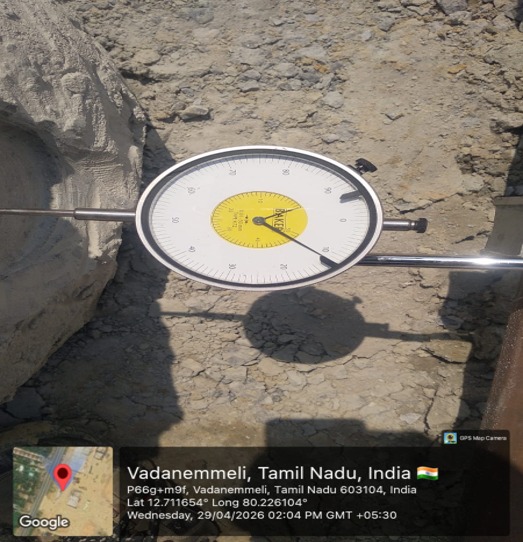
7. Test Details
| Parameter | Details |
|---|---|
| Project | Perur 400 MLD Pumping Station – CP2 |
| Location | Perur |
| Test Type | Initial Lateral Load Test |
| Pile Installation | Bored Cast-in-Situ |
| Pile Diameter | 600 mm |
| Pile Length | 13.0 m |
| Design Lateral Load | 4.896 MT |
| Maximum Test Load | 12.24 MT |
| Testing Period | 29/04/2026 to 30/04/2026 |
| Reference Standard | IS 2911 (Part 4): 2013 |
8. Equipment Used
| Equipment | Specification / Description | Purpose |
|---|---|---|
| Hydraulic Jack | Suitable capacity hydraulic jack | Application of lateral load |
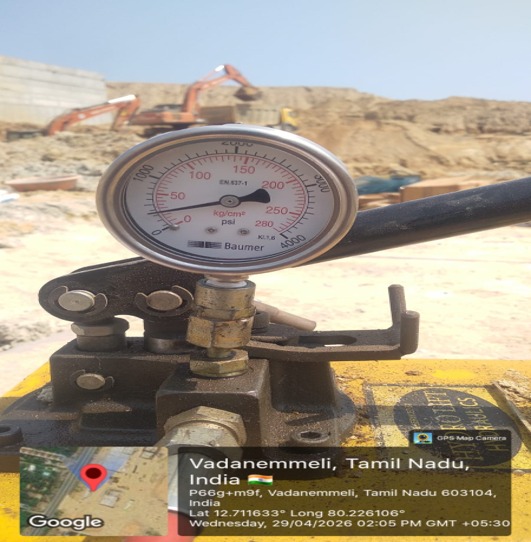
| Pressure Gauge | Calibrated load-monitoring gauge | Monitoring hydraulic pressure |
| Dial Gauge | Horizontal displacement measuring instrument | Measurement of pile-head displacement |
| Datum / Reference Bars | Independent reference arrangement | Stable reference for displacement |
| Gauge Mount / Magnetic Base | Rigid mounting arrangement | Secure positioning of dial gauge |
| Steel Plates / Packing | Rigid load-transfer arrangement | Uniform contact and alignment |
| Reaction System | Reaction piles / anchor blocks / suitable supports | Resistance against applied lateral load |
9. Quality and Safety Considerations
- Check the stability and rigidity of the complete reaction system before loading.
- Ensure correct horizontal alignment of the hydraulic jack with the intended loading direction.
- Verify calibration and serviceability of pressure and displacement measuring instruments.
- Keep the reference frame independent and protected from disturbance.
- Maintain a safe exclusion zone around the hydraulic jack and reaction system.
- Apply and release the load in a controlled manner.
- Continuously observe the test arrangement for abnormal movement or instability.
10. Summary
The Initial Lateral Load Test is an important field investigation used to understand the behaviour of pile foundations under horizontal loading. The test combines a controlled hydraulic loading system, a stable reaction arrangement and displacement measurement to study the response of the pile.
At the site, the lateral load test arrangement was established to apply controlled horizontal load to the test pile and monitor the corresponding lateral displacement during loading and unloading.
11. Conclusion
Lateral pile load testing provides valuable field information for evaluating the response of pile foundations subjected to horizontal forces. The Initial Lateral Load Test is therefore an important verification step for pile foundation design and construction.
The test observations can be used by the project design and engineering team for assessing lateral pile behaviour in accordance with the applicable project requirements and IS 2911 (Part 4): 2013.
Note: This website blog intentionally excludes numerical test results, lateral displacement values, load displacement graphs and final capacity interpretation.
12. Reference
IS 2911 (Part 4): 2013 – Code of Practice for Design and Construction of Pile Foundations – Load Test on Piles.
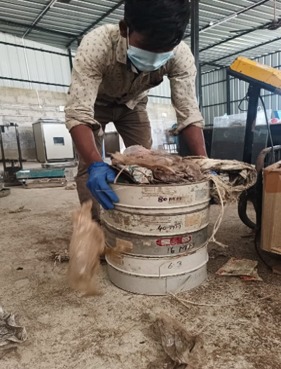
KSWMP Waste Characterization
A field-based waste characterization and geotechnical investigation undertaken at selected KSWMP locations to understand waste characteristics and subsurface conditions.
Date: 28-08-2026
Team Members: Sharvesh R (Quality Manager, Geotechnical Engineer), V. Aravindhan (Geotechnical Engineer), S Hariharan (Geotechnical Engineer), Anima SR (Geologist), Jomey M. Susan Abraham (Geologist), P. Vijay (Project Coordinator)
Blog Writer: Jomey M. Susan Abraham, Geologist
Project in one line: A field-based waste characterization and geotechnical investigation undertaken at selected KSWMP locations in Shornur and Cherpulassery to understand waste characteristics and subsurface conditions.
Project Snapshot
- Locations: Shornur & Cherpulassery, Kerala
- Trial Pits: 7
- SPT: SPT
Detailed Project Execution Sequence
- Project initiation and scope confirmation
- Site Reconnaissance: Field visit and preliminary assessment
- Mobilization: Equipment, manpower and field preparation
- Location Marking: Identification of investigation points
- Trial Pit Excavation: Excavation and waste exposure
- Waste Sampling: Representative sample collection
- Waste Characterization: Segregation, weighing and composition
- Borehole Drilling: Subsurface investigation
- SPT & Sampling: In-situ penetration testing and recovery
- Laboratory Testing: Testing of collected samples
- Engineering Analysis: Compilation and interpretation
- Report & Submission: Technical reporting and client submission
Starting at the Site
The field programme began with site reconnaissance, mobilization and location marking. The investigation then moved into trial-pit excavation and representative waste sampling.
| FIELD WORK CYCLE | |||
|---|---|---|---|
| 1. Site reconnaissance | 2. Mobilization | 3. Location marking | 4. Select trial pit |
| 5. Excavate to ~3.00 m | 6. JCB removes waste | 7. Field quartering | 8. Collect & label sample |
| TRIAL PIT → WASTE REMOVAL → QUARTERING → REPRESENTATIVE SAMPLE | |||


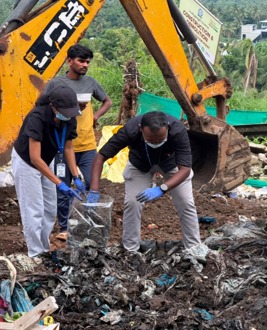
Waste Characterization
Waste characterization determines the composition of the waste stream by identifying, segregating and weighing representative waste fractions. For this project, the field programme included 7 trial pits, waste profiling, sample collection, logging and preservation. The stated sampling detail is 14 samples per 100 kg.
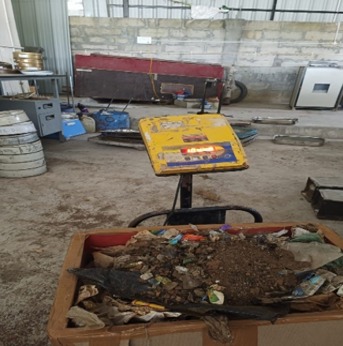
Waste characterization in the field involved excavation and separation of the waste using a JCB up to a depth of 3 m. The excavated waste was then segregated and quartered systematically, and representative samples were collected from the quartered material. All collected samples were properly labeled, documented, and preserved for further laboratory analysis.
Field Waste to a Representative Sample
The excavated waste is spread on a clean surface, thoroughly mixed and reduced using the quartering approach until a representative sample size is obtained.
- Collect
- Spread
- Mix
- Conical Heap
- Four Quarters
- Remove Opposite Two
- Representative Sample
Sequence of Characterization: Sample Spread → Mix → Form conical heap → Divide into four quarters → Discard two diagonally opposite quarters → Mix remaining quarters → Collect representative sample → Label & preserve.
Waste Segregation & Measurement
The reduced sample is manually separated into predefined waste categories. Each fraction is weighed using a calibrated balance and recorded in the field data sheet.
Categories include: BIODEGRADABLE, PAPER, PLASTIC, GLASS, METALS, TEXTILES, RUBBER, WOOD, LEATHER, DOMESTIC HAZARDOUS, MISC.
The collected samples were subjected to laboratory analysis for the specified chemical parameters, in addition to the physical characterization, to determine their overall composition and characteristics.
Standard Penetration Test (SPT)
Reference standard: IS 2131 — Method for Standard Penetration Test for Soils.
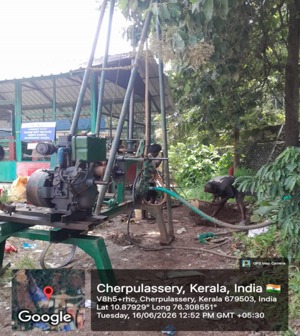
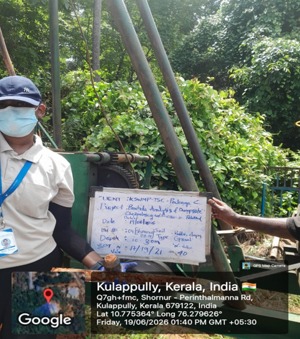
Following the waste characterization study, borehole investigation and SPT were undertaken to assess the in-situ penetration resistance and document subsurface conditions at the investigated locations.
SPT Field Sequence
- Advance Borehole: Drill to the required test depth and prepare the borehole.
- Position Sampler: Place the standard split-spoon sampler at the test level.
- Drive Sampler: Conduct the SPT using the prescribed hammer arrangement.
- Record Penetration: Record penetration and blow observations.
- Determine N-Value: Determine N-value in accordance with IS 2131.
- Recover Sample: Recover, identify and preserve the disturbed sample.
- Log the Stratum: Record depth, sample description and field observations.
From Field Work to Engineering Information
The integrated field investigation provides a structured basis for understanding waste characteristics and subsurface conditions and for developing the project technical report.

Geotechnical Field Investigation, Malur
Standard Penetration Testing, Electrical Resistivity Testing, and Field CBR testing to characterize subsurface conditions at Malur, Karnataka.
Falcon Industrial Testing Laboratory Pvt. Ltd. successfully completed a comprehensive geotechnical field investigation at Malur, Karnataka, to characterize subsurface conditions and evaluate key in-situ engineering properties. The programme comprised Standard Penetration Testing (SPT), Electrical Resistivity Testing (ERT), and Field California Bearing Ratio (CBR) testing.
Project at a Glance
| Investigation | Locations | Reference Standard | Primary Purpose |
|---|---|---|---|
| Standard Penetration Test (SPT) | 2 boreholes | IS 2131 | In-situ soil resistance and subsurface stratification |
| Electrical Resistivity Testing (ERT) | 2 points | IS 15736 | Subsurface electrical resistivity characteristics |
| Field CBR Testing | 3 locations | IS 2720 (Part 31) | In-situ subgrade strength and load-bearing characteristics |
Standard Penetration Test (SPT)
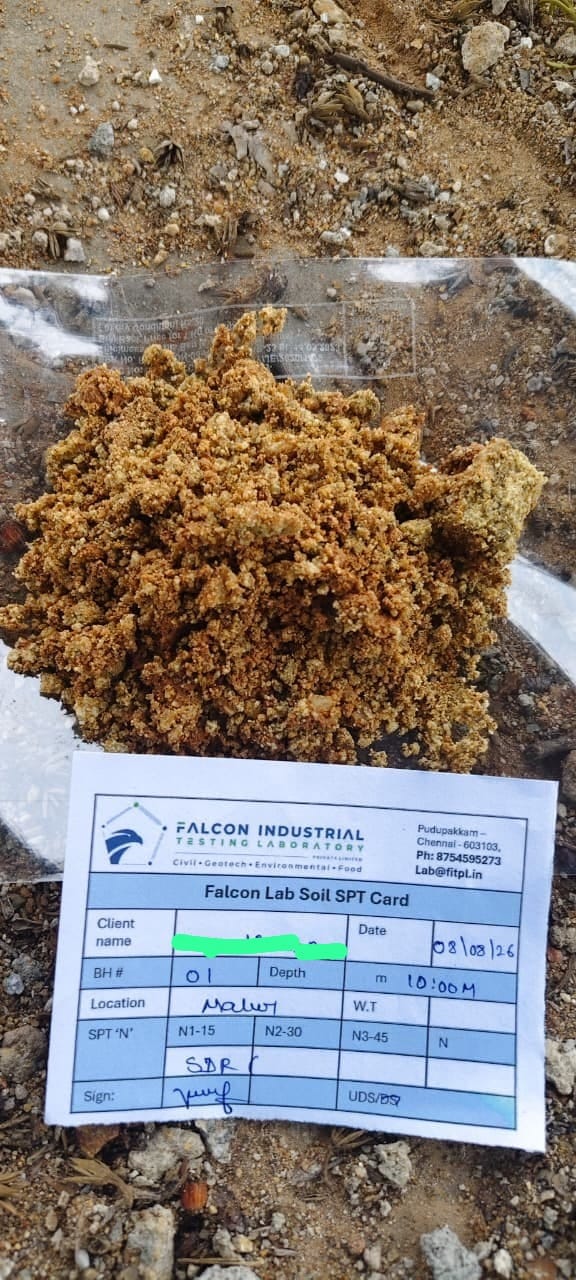
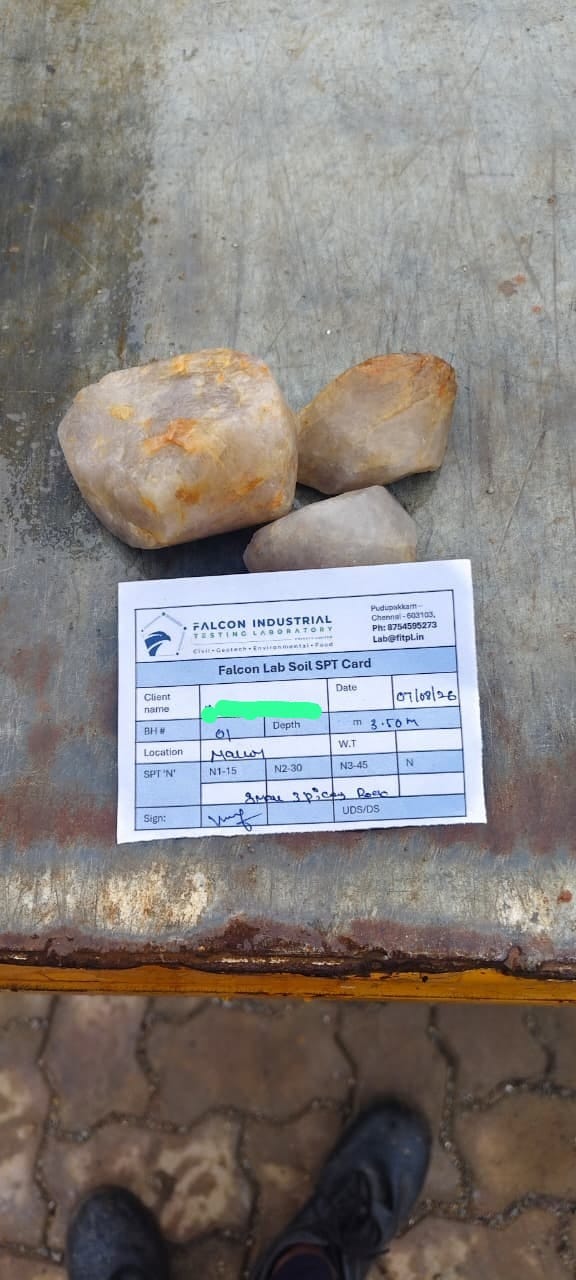
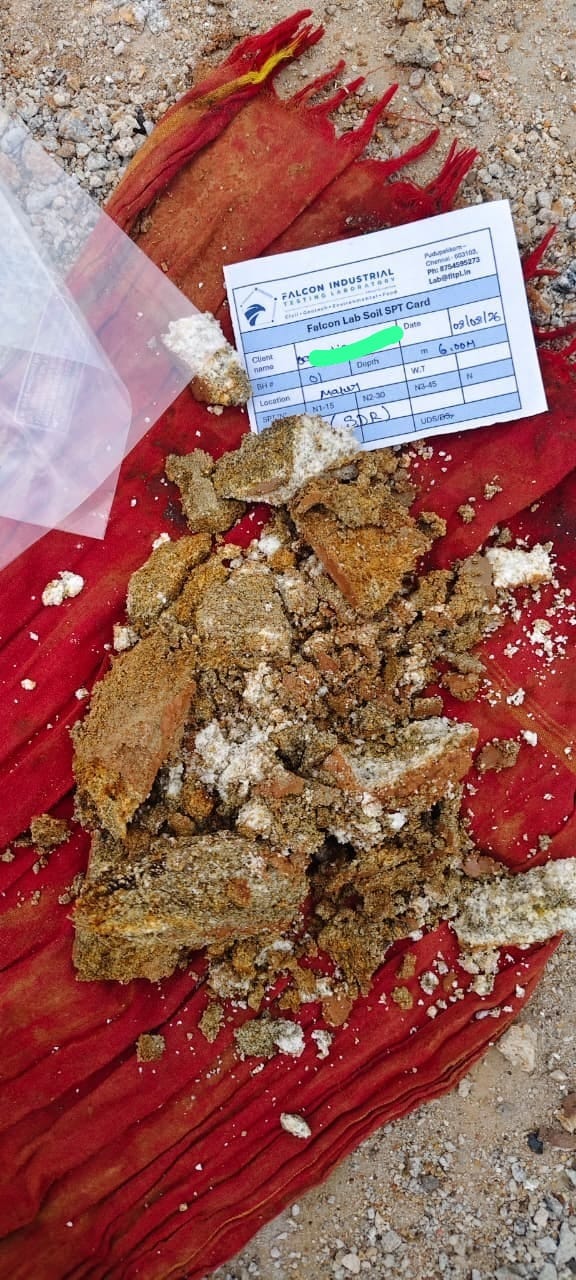
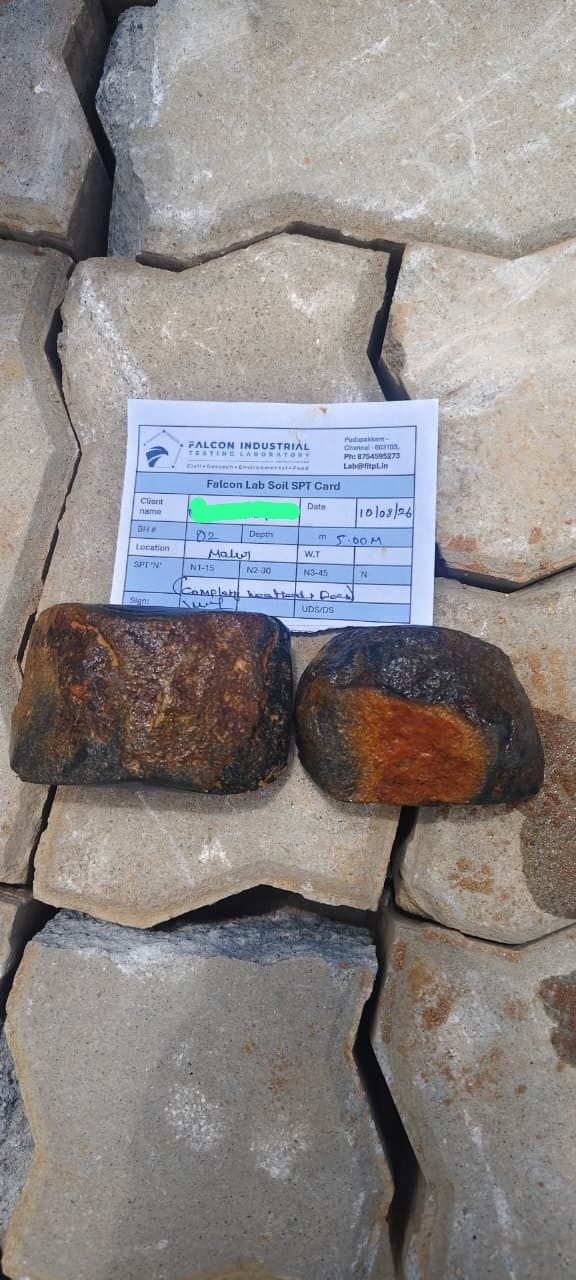
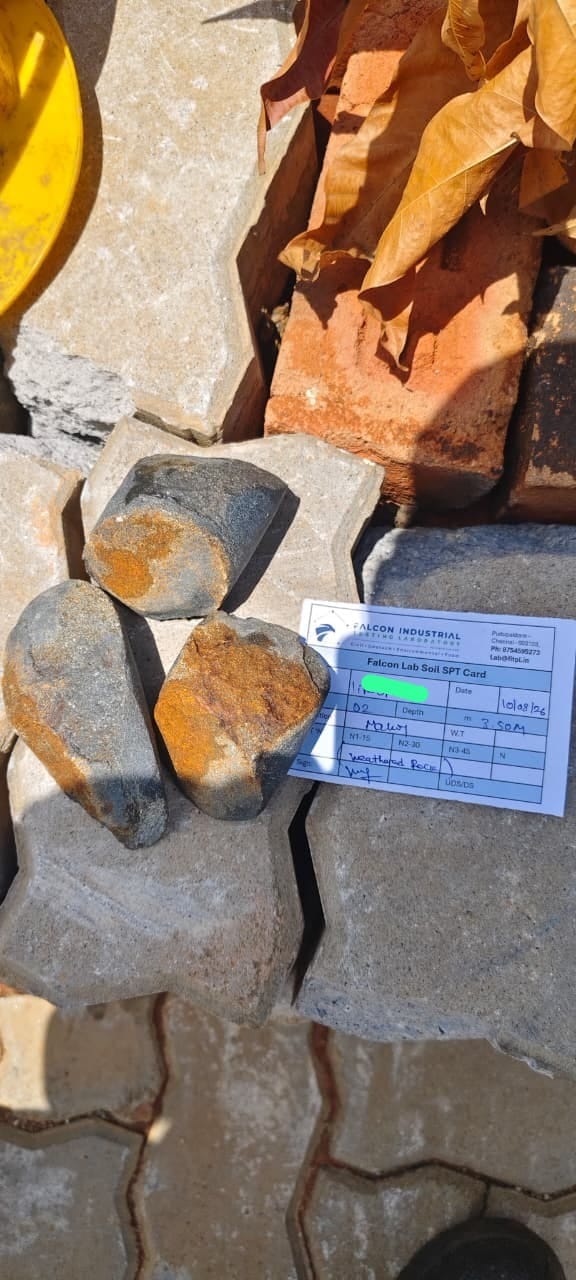
Standard Penetration Testing was carried out at two designated boreholes, BH-01 and BH-02, with reference to IS 2131, to assess in-situ ground resistance and document changes in subsurface strata with depth.
Field California Bearing Ratio (CBR)
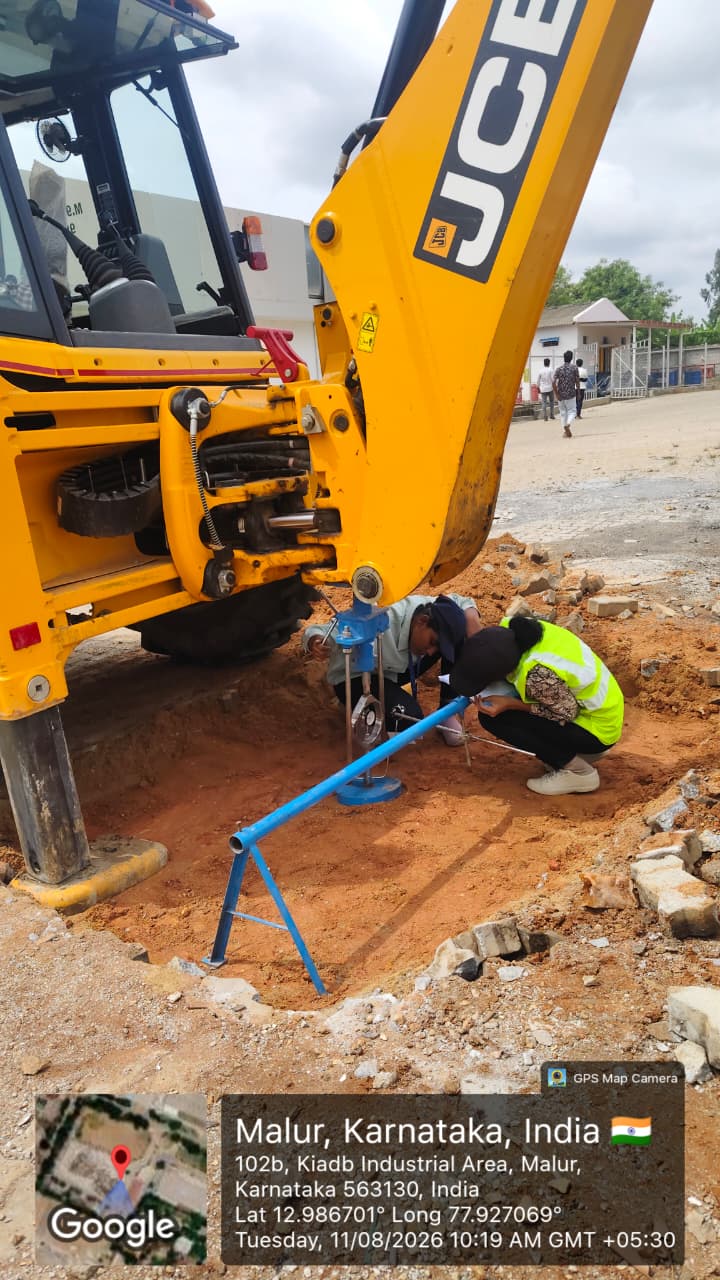
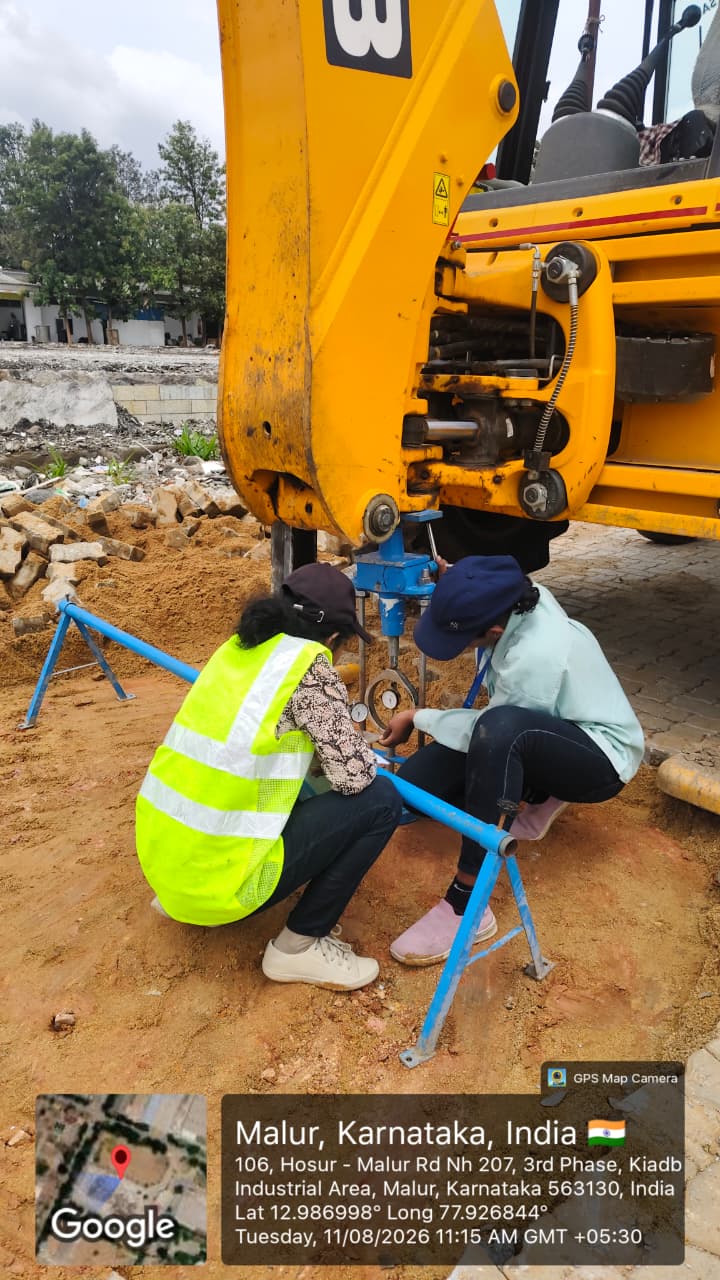
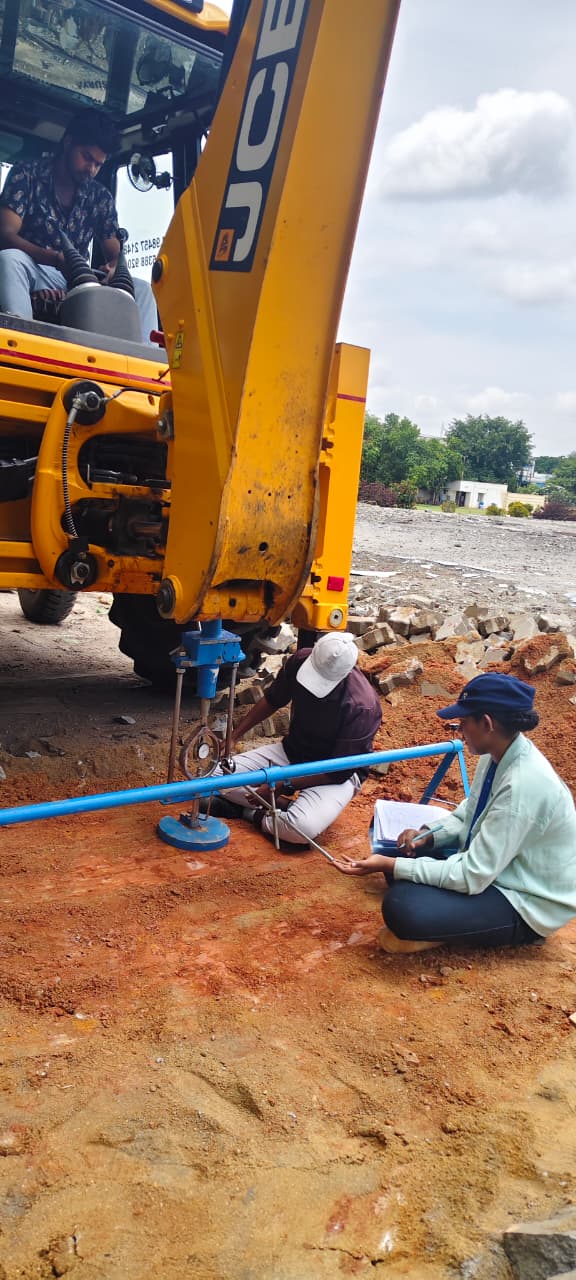
Field CBR testing was conducted at three designated locations to assess the in-situ strength and load-bearing characteristics of the subgrade soil, with reference to IS 2720 (Part 31). At each location the surface was trimmed and levelled, the loading plate/mould assembly positioned, and a 50 mm diameter penetration piston advanced while load–penetration readings were recorded at 2.5 mm and 5.0 mm penetration.
Electrical Resistivity Testing (ERT)
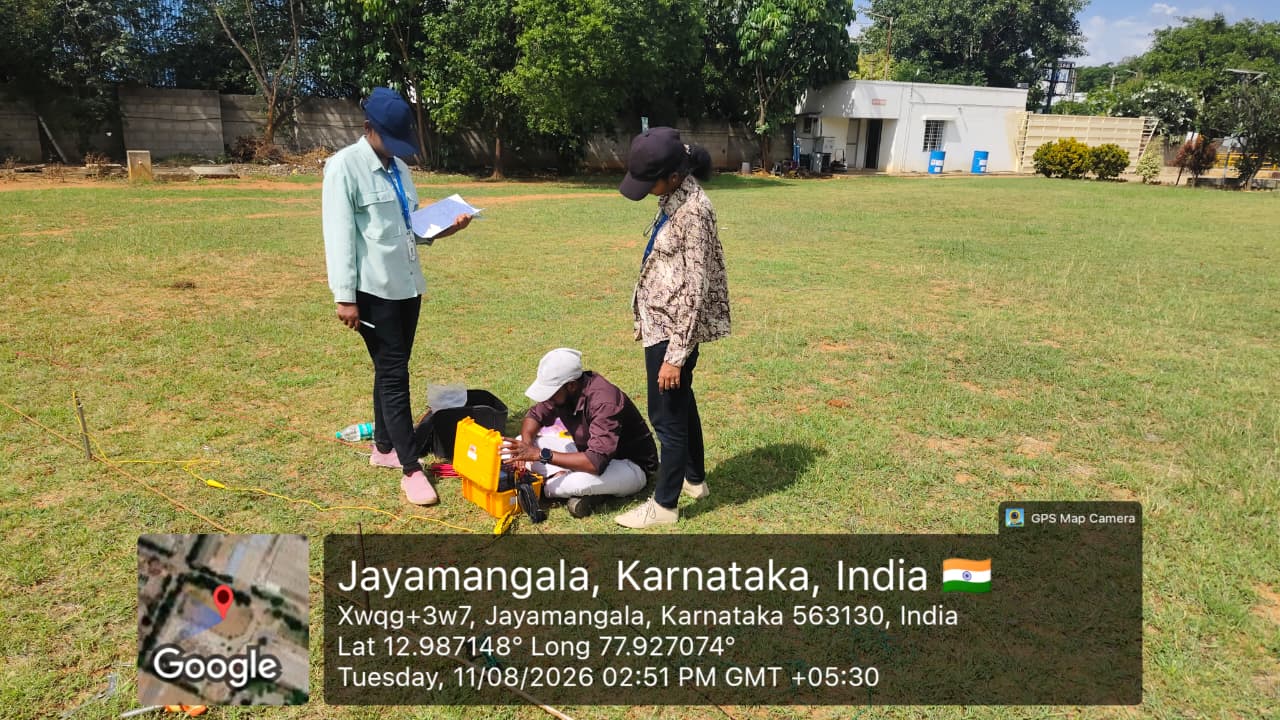
ERT was conducted at two designated points using the Wenner four-electrode arrangement to evaluate the electrical resistivity characteristics of the subsurface.
| C1 | P1 | P2 | C2 |
|---|---|---|---|
| Current | Potential | Potential | Current |
P1 & P2 = potential electrodes | C1 & C2 = current electrodes
Four electrodes were positioned in a straight line with equal spacing. A known electrical current was introduced into the ground through the two outer electrodes, while the potential difference was measured between the two inner electrodes. Apparent electrical resistivity was calculated from the measured current, potential difference and electrode spacing, and the recorded field values were compiled for technical interpretation of subsurface conditions, including changes in soil/rock strata, moisture conditions and possible anomalous zones.
Conclusion
The geotechnical field investigation at Malur, Karnataka, comprised two SPT boreholes, two ERT points and three Field CBR locations. The study gives the client data to take decisions on foundation type, safe bearing capacity of the soil, foundation depth, soil and rock profile, subgrade reaction, and electrical resistivity of soil for earthing purposes.
Chennai Metro Rail Expansion
Comprehensive geotechnical investigation, pile integrity testing, and concrete quality assurance for the new underground sections of Chennai Metro.
The Chennai Metro Rail expansion is one of the most critical urban infrastructure projects in South India. Falcon Industrial Testing Laboratory was appointed as the primary testing agency for multiple underground packages.
Our scope included comprehensive geotechnical investigation, ensuring the soil parameters met the strict TBM (Tunnel Boring Machine) requirements. Additionally, we conducted over 500 pile integrity tests and continuous concrete quality assurance throughout the construction phase.
National Highway 45 Extension
Soil bearing capacity testing, CBR evaluation, and pavement material analysis for the major 4-lane expansion project.
As part of the NH45 extension, our teams conducted extensive soil bearing capacity testing and CBR evaluations.
We provided continuous pavement material analysis, asphalt testing, and subgrade evaluations, playing a vital role in ensuring the durability of this high-traffic corridor.
Thermal Power Plant Foundation
In-depth structural audit, pile load testing, and non-destructive testing (NDT) for the new cooling tower foundations.
For this major thermal power plant construction, ensuring the structural integrity of the cooling tower foundations was of utmost importance.
We executed an in-depth structural audit, large-scale pile load testing, and comprehensive Non-Destructive Testing (NDT) to verify the quality of concrete and structural steel elements used in the massive foundations.
IT Park Complex, OMR
Building materials testing including structural steel, cement analysis, and environmental impact assessment for a 1.2M sqft tech park.
This 1.2 million sqft technology park required exhaustive building materials testing and environmental monitoring.
Our lab conducted daily cement and concrete analysis, structural steel tensile tests, and pre-construction Environmental Impact Assessments to ensure the project met international green building standards.
Industrial Effluent Treatment Plant
Environmental monitoring, wastewater testing, and soil contamination analysis for a large-scale manufacturing facility's ETP.
To ensure compliance with state pollution control norms, we provided comprehensive environmental monitoring for a large-scale ETP.
Our services included wastewater chemical analysis, soil contamination testing, and continuous stack emission monitoring to validate the plant's operational efficiency.
Coastal Berth Expansion
Marine geotechnical investigations, corrosion assessment, and underwater concrete testing for the new deep-water berth.
The construction of a new deep-water berth demanded specialized marine geotechnical investigations.
We performed offshore soil drilling, underwater concrete testing, and rigorous corrosion assessments for marine piles, ensuring the berth's stability against tidal forces and saline environments.